


Rethinking QR Code Ordering System ROI Beyond Labor Savings
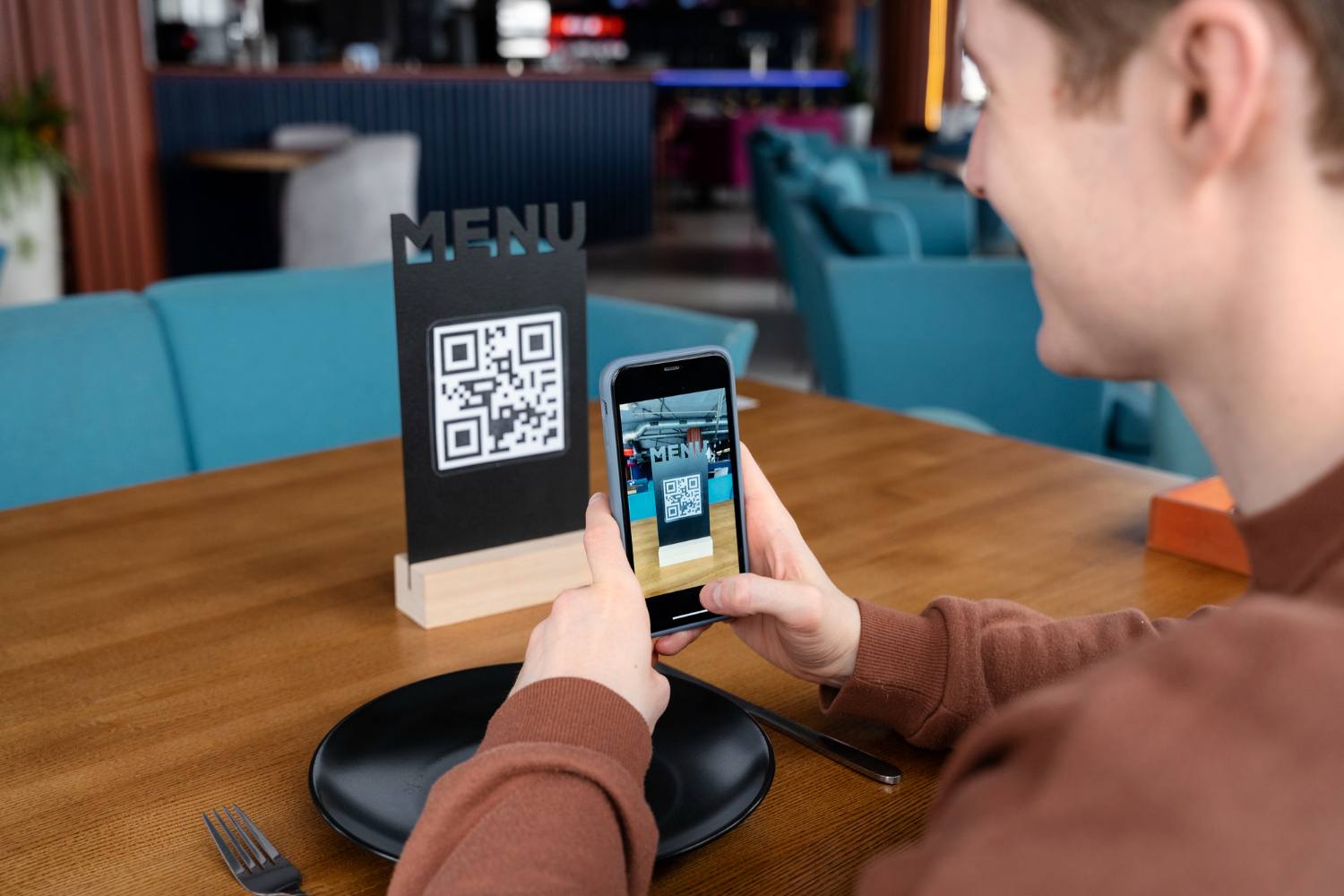
Turning QR Code Ordering Into a Strategic Asset
QR code ordering arrived as a quick fix when staff were thin on the ground. Many operators brought it in to plug gaps on the floor and behind the counter, not as part of a wider plan. Now that labour markets feel a bit calmer, plenty of teams are asking whether they should keep their QR code ordering system, scale it back, or lean into it.
The truth is, if we only judge QR on labour savings, we miss most of its value. The real gains sit in increased spend per visit, higher throughput at busy times, richer data, and a smoother guest experience across hospitality, retail, and service-led venues. That matters even more as spring and early summer bring terraces, pop-ups, outdoor events and higher guest expectations for speed and flexibility.
In this article we will rethink how to look at ROI from QR ordering, explore new revenue levers, uncover operational wins that never show in a simple rota spreadsheet, and show how to measure everything in practical terms. At Kayana, we work across global hospitality, retail and service-based businesses, which gives us a wide view of what good QR performance looks like in the real world.
Why Labour Savings Are Only Half the Story
The standard business case for QR code ordering is simple: fewer staff taking orders, more orders placed by guests on their own devices, lower wage bill. On paper that sounds tidy. In practice, it is only one part of the picture.
A narrow labour-only focus can hide several costs:
- Lost upsell chances if the digital menu is flat or confusing
- Friction for guests who are less confident with tech
- Extra effort for teams if QR is not properly linked to EPOS and payment tools
When QR ordering sits apart from EPOS, mobile POS or kiosks, staff end up firefighting between systems. Orders need re-keying, mistakes creep in, and the supposed saving vanishes. On the guest side, a clumsy menu or weak Wi‑Fi can turn a helpful tool into a reason for complaints.
A better way to look at ROI is to see how QR shifts capacity. Instead of simply removing heads, it moves staff time from low-value order entry to high-value work like:
- Greeting and seating guests
- Problem-solving before issues escalate
- Guiding people towards higher-margin items
In a restaurant this might mean fewer trips to the table just to take or amend orders. In a gym café it could mean more time spent talking to members about classes. In a beauty salon, staff can focus on treatments and retail advice while refreshments or small add-ons flow through QR.
Once we see QR as a tool to lift revenue per visit and improve data quality, not just trim hours, the whole conversation changes.
Unlocking New Revenue From Every Visit
The way a guest moves through a digital menu has a direct impact on what and how much they buy. A clear layout, smart modifiers and gentle prompts can lift average order value without feeling pushy.
In hospitality, this can look like:
- Suggesting sides or extra toppings when someone selects a main
- Highlighting premium drinks as an option before checkout
- Offering desserts or hot drinks once mains have been sent to the kitchen
Retail and grocery operators can use QR codes on tables, shelves or specific products to:
- Offer simple bundles such as “buy together” sets
- Promote seasonal items at the point of decision
- Show alternative products if something is low on stock
Gyms and salons can bring revenue into moments that were idle before. When members order a shake or book a treatment through QR, the system can flag:
- Membership upgrades or class packs
- Product bundles linked to their service
- Small add-ons like masks, serums or boosters
Session-based ordering is another big lever. Once a QR code ordering system is tied to a table, sun lounger, locker, seat or driving bay, guests are more likely to place repeat rounds or top-ups without queue pain. No one wants to lose a good seat on a busy terrace just to stand in line again.
Dynamic offers make this even stronger. Think:
- Spring and summer terrace specials that appear only on outdoor tables
- Match-day bundles in stadiums that change by kick-off time
- Garden centre seasonal menus that shift with the weather
- Festival or event packages that turn single orders into all-day spend
The goal is not just growing revenue, but growing margin. Digital menus can:
- Steer eyes to items with better profit
- Limit low-margin custom options that slow the kitchen
- Cut errors on complex builds that often end in refunds or remakes
Operational Wins You’ll Miss on a Spreadsheet
Some of the best results from QR ordering will never show clearly on a simple wage report. They sit in small pressure points that, once fixed, unlock serious capacity.
First, queues. When more people order from their table or seat, physical lines at the counter shrink. This keeps:
- Food trucks moving at festivals and markets
- Bars flowing during half-time
- Weekends smoother in busy cafés and casual restaurants
With the same opening hours and similar staff, you simply get through more orders.
Service speed is another big gain. Orders flow straight from the guest to the kitchen or bar with fewer delays and fewer misheard items. This helps with tight trading windows, like:
- Lunchtime rushes near offices or schools
- Short match intervals in stadiums
- Class changeovers in gyms or studios
Staff productivity improves too. Team members can cover more ground, check in with guests, and notice small issues before they become refunds or poor reviews. Less time spent taking and re-typing orders usually means fewer:
- Remakes
- Discounts to fix mistakes
- Long arguments about what was ordered
On the menu side, a centralised QR code ordering system makes seasonal change easy. Operators can rotate spring and summer lines, pull items when ingredients run short or test a new product across a few sites without retraining every staff member.
For multi-site groups, having QR, EPOS and payment linked gives a clear view of which locations are handling peak patio traffic, event surges or weekend trade best. Those learnings can then be rolled out to other venues.
Using Data and Modern Metrics to Prove ROI
Every QR interaction creates data: what people ordered, in which order, what they added, how they paid and at what time. This pattern repeats across restaurants, retail, gyms, salons, and even charities collecting donations at events.
Used well, that data helps improve every shift, not just end-of-month reports. Operators can use it to:
- Refine digital menus, working out which items convert well on-screen and which need stronger descriptions or images
- Plan staffing peaks based on real order volume by hour and day, not just gut feel
- Decide where to place signs, tables, stands or mobile bars using order heatmaps across terraces, kiosks and indoor areas
Personalisation is possible, even with sensible privacy safeguards. You might not know a guest by name, but you can spot patterns like:
- Regular coffee orders at certain times
- Typical match-day snacks in a stadium seat block
- Common add-ons for a popular salon treatment
Those patterns can guide loyalty rewards, smart recommendations and pre-order options that feel useful, not invasive.
To make this work, QR ordering should sit inside a unified system. When QR, EPOS, kiosks, mobile POS and payments all share the same data, operators get a single version of the truth instead of channel silos. That is where long-term ROI starts to build, because every change is informed by the full picture, not one slice of it.
Once that foundation is in place, measuring ROI becomes far simpler. Modern operators can track three main groups of metrics:
- Revenue: average order value, items per order, repeat orders per visit, total sales during peak windows
- Efficiency: order-to-serve time, table turn time, queue length, error or remake rates
- Adoption: share of orders through QR versus staff or counter, guest satisfaction scores by channel
The most useful comparisons often come from focused tests. For example, compare a set of spring weekends with strong QR promotion against similar days with less digital focus. Look at changes in throughput, spend and complaints.
Attribution should be realistic. Labour savings are important, but so are the extra covers you serve, the higher-margin products sold because they were well placed on the digital menu, and the refunds you did not have to process.
To get the most from all of this, operators need technology partners that bring QR, EPOS, kiosks, mobile POS and payment data together in one place. As a global SaaS provider in unified ordering and payment technology, Kayana focuses on helping operators join these dots and turn QR code ordering into a reliable, long-term strategic asset.
Transform Your Guest Experience With Seamless QR Ordering
Bring faster service, fewer queues and smoother table turnover to your venue with our QR code ordering system. We work closely with you to tailor the setup to your menu, workflows and brand so staff can focus on hospitality, not manual admin. If you would like to discuss specific requirements or arrange a quick walkthrough, simply contact us and the Kayana team will help you get started.