


Why Your EPOS System Strategy Should Start with Coffee Shops
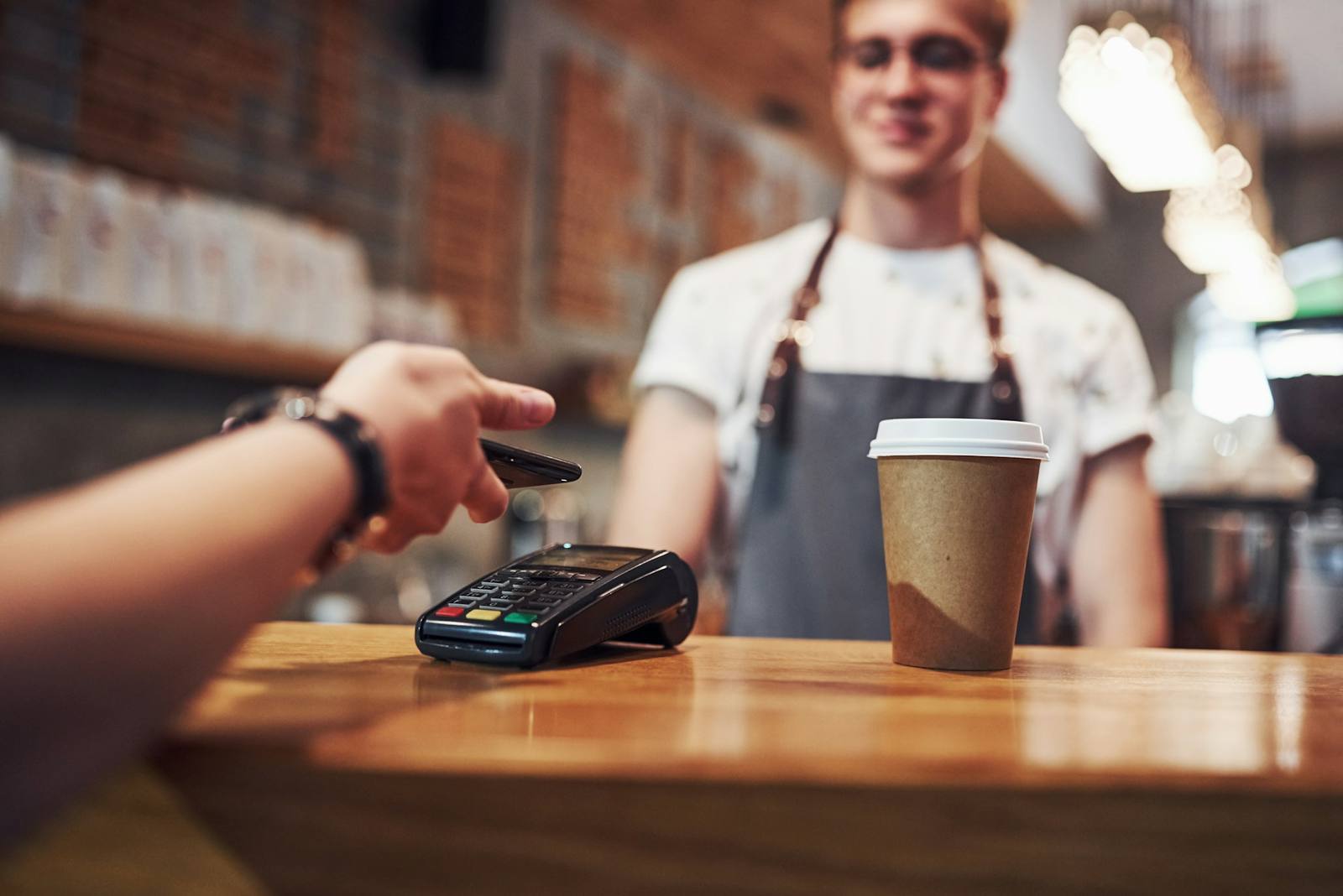
Start Your EPOS Strategy Where It Really Matters
If you want to know whether your EPOS strategy is any good, start with coffee. A single coffee bar in the morning rush shows every strength and every weakness in your tech stack. Orders are small but constant, tickets are full of custom tweaks, and customers expect fast, low-friction payment.
In this article, we focus on why an EPOS system for a coffee shop is the best testing ground for any wider plan across hospitality, retail, or services. We look at how coffee shops stress-test your setup, what good EPOS design looks like in that space, and how those lessons scale across your whole estate. The goal is simple: higher throughput at peak, better staff productivity, cleaner data, and a smoother guest experience.
Why Coffee Shops Are the Toughest EPOS Proving Ground
Coffee shops look simple from the front of house. In reality, they are one of the hardest formats to run well on the till and in payments.
They combine high volume with low ticket values, many modifiers on each drink, mixed order types from takeaway to sit-in, and multiple sales channels often from day one. Morning commuters, lunchtime office crowds, and weekend queues all put pressure on your EPOS. Any friction in menu layout, payment flow or order routing quickly shows up as long lines and stressed teams. If the system makes staff tap through endless screens just to add oat milk, you feel it instantly.
Even a “basic” flat white carries hidden complexity. Staff may need to handle milk options, extra shots, syrups, sizes, and decaf choices while also applying loyalty stamps, points or rewards. At the same time, they are expected to prompt and process upsells like pastries, snacks or cold drinks, and apply different tax and service rules for sit-in versus takeaway.
On top of this, coffee is often where customers first raise their expectations of digital experiences. They tap to pay, they order ahead, they scan QR codes, they expect their loyalty to live on their phone. In practice, that means coffee bars are early adopters of multiple ordering and fulfilment routes, including:
- Walk-in and counter ordering
- Mobile order and collect
- Delivery partners and aggregators
- Self-service kiosks or QR table ordering
That mix makes them a demanding proving ground. If your EPOS system for a coffee shop can keep up here, it is much more likely to cope when you roll it into restaurants, retail corners or service counters.
Designing the Right EPOS System for a Coffee Shop
A good coffee EPOS starts with speed and clarity. Staff should be able to serve a regular’s usual order without thinking about the screen. That typically means:
- Fast, intuitive order layouts with bestsellers on the first view
- Smart grouping of sizes, milk types and syrups, not buried in sub-menus
- Support contactless, digital wallets and QR payments as standard
- Built-in tipping, loyalty and gift card flows
The system should match how baristas actually work. Drinks are often made in batches, not in the order they hit the till, so workflows need to reflect how the bar team keeps pace at peak. In particular, you want to support the rhythm of production and reduce friction in the queue:
- Fire espresso shots together so the bar team can work in a rhythm
- Show modifiers in the right order on the drink label or barista screen
- Keep tap counts low so staff are not fighting the interface in the queue
Reporting also needs to answer questions specific to coffee operations. Operators often need visibility into what sells when, what attaches to core drinks, and where service speed breaks down. The data that matters most often includes:
- Product mix by time of day, such as hot vs iced or dairy vs non-dairy
- Attach rates for food, for example coffee plus pastry bundles
- Speed-of-service indicators by period and by channel
- Staff performance insights to see where training pays off
In terms of hardware, a coffee site has tight counters, wet areas and constant movement, so choices are often a balance of footprint, durability and flexibility. Many sites mix and match based on layout and volume:
- Fixed countertop terminals where space allows
- Tablet-based devices for smaller bars or outdoor spots
- Customer-facing displays to cut order mistakes
- Kitchen or barista printers and screens that cope with heat and steam
Strong setups can also be reconfigured as you grow, add new stations or trial different layouts, without having to rebuild the entire front-of-house workflow.
Turning Your Coffee Shop EPOS Into a Growth Driver
Once the EPOS system for a coffee shop is running smoothly, it becomes more than a till. It turns into a driver for margin and repeat business, because it gives you a consistent way to influence what gets sold, how quickly it moves through the line, and how reliably you can bring customers back.
Menu design is a good starting point. With clear data, you can:
- Reorder the layout so higher-margin drinks are more prominent
- Adjust prices based on popularity and cost trends
- Test limited-time offers and seasonal drinks, then keep what works
Labour planning is another major opportunity. When you line up rota data with real trading patterns, you can:
- Staff to actual demand curves, not gut feel
- Spot when queues spike and add or move baristas
- Measure the effect of training on speed, accuracy and upsell success
Loyalty and repeat visits sit right on top of the EPOS. Connected systems allow you to:
- Run digital loyalty that works across counter, mobile and delivery
- Store payment details for faster reordering on regular drinks
- Offer light personalisation, such as perks for frequent morning visitors
As you add channels like mobile ordering or delivery, keeping a single source of truth becomes key. A unified platform holds:
- One core menu with consistent pricing and options
- Central stock rules to avoid selling items you do not have
- Unified reporting, so you see total performance, not fragmented views
That way, you expand reach without losing control of your data or your guest experience.
Scaling From Coffee Sites to a Multi-Channel Estate
Starting your EPOS strategy with coffee gives you a blueprint that travels. The patterns you refine there work across cafés, quick-service concepts, kiosks and even small retail corners inside larger venues.
Multi-site operators often need:
- Standardised menus with room for local specials
- Central reporting that rolls up by region, format and brand
- Role-based permissions so HQ can set guardrails while local teams act fast
As estates grow, so does tech sprawl. A unified EPOS and ordering platform reduces duplicate tools doing the same job, cuts down on manual exports and spreadsheet reconciliation, and removes confusion over which numbers to trust for KPIs.
Coffee sites are also effective test labs because you can trial changes quickly, see results fast, and refine before wider rollout. Common experiments include:
- Summer iced ranges or festive drinks
- Breakfast bundles and morning deals
- New ordering journeys, like kiosks or table ordering
When something lands well with coffee customers, you can roll it across the rest of the business with more confidence.
Make Your Coffee Shop the Blueprint for Better EPOS
The strategic idea is straightforward: if your coffee operation can run flat out on your EPOS, across all channels and payment types, that system is ready to support wider ambitions. Coffee shops expose flaws early, but they also highlight the wins that matter most to guests and teams.
As you review your current setup, ask yourself:
- Is it fast enough at peak, without staff workarounds?
- Does it support every channel you actually use today?
- Does it surface the right data for decisions, not just end-of-day totals?
- Can new staff learn it quickly, without long training sessions?
Treat your coffee bar as a live innovation lab. Test small changes, measure the impact, then build the best ideas into your standard. Used in this way, a well-designed EPOS for coffee becomes the foundation for a modern, unified EPOS and ordering platform that can grow with your whole business.
Streamline Your Coffee Shop Operations Today
If you are ready to reduce queues, simplify ordering and keep your menu and pricing fully under control, our EPOS system for a coffee shop is designed for you. At Kayana, we focus on helping coffee shops run smoother so you can spend more time on your customers and less on admin. Talk to our team to explore how we can tailor the setup to your workflow, or contact us to arrange a quick chat and see how quickly you could be up and running.